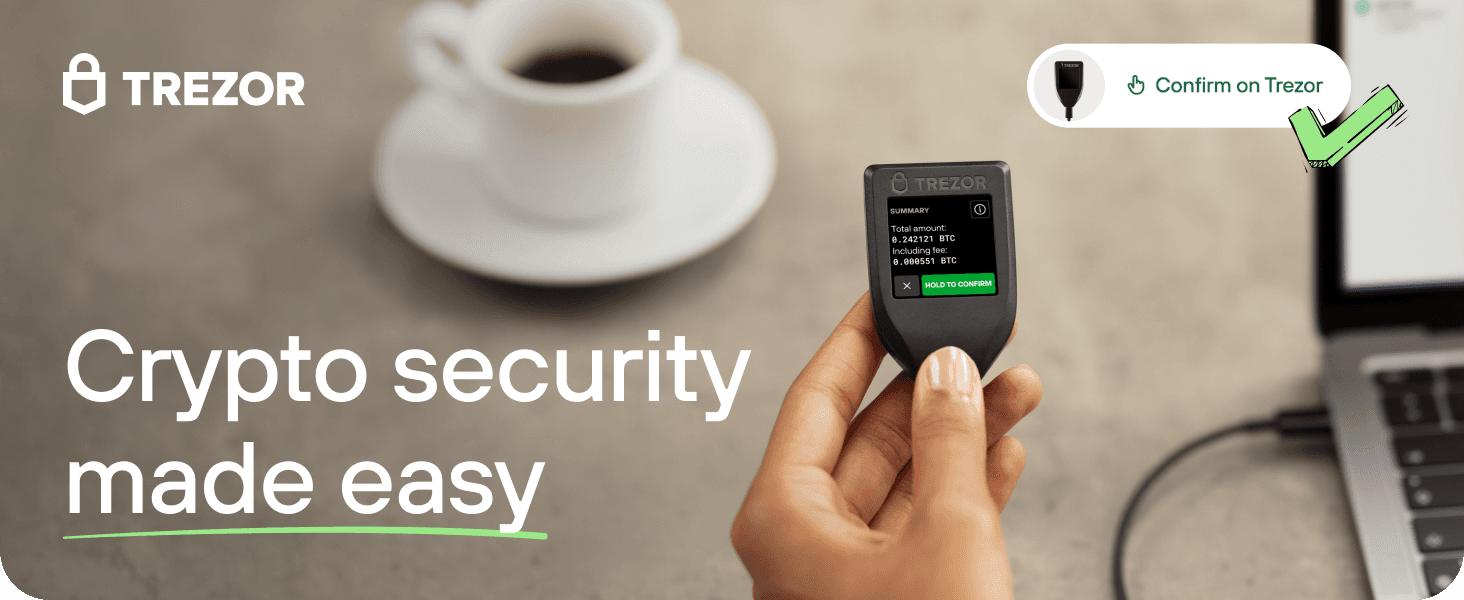
Trezor.io/Start: Master Your Cryptocurrency Security with Confidence
Cryptocurrency is revolutionizing the way we think about money, investments, and financial autonomy. Yet with this transformation comes a fundamental challenge: security. The decentralized nature of blockchain empowers users, but it also places full responsibility for safeguarding digital assets directly in their hands. Losing access to private keys, falling victim to scams, or storing funds insecurely can lead to irreversible loss.
Trezor addresses this challenge by providing secure, user-friendly hardware wallets designed to protect digital assets against modern threats. By visiting Trezor.io/Start, users can embark on a guided journey toward secure cryptocurrency management, whether they are seasoned traders or just entering the world of blockchain.
The Importance of Cryptocurrency Security
Unlike traditional banking, cryptocurrencies rely on self-custody. You control your funds—but with control comes responsibility. Private keys—the cryptographic credentials granting access to your funds—must be safeguarded meticulously. If they are lost or stolen, recovery is nearly impossible.
Software wallets and exchanges can be convenient but are often susceptible to hacking, malware, and phishing attacks. Trezor hardware wallets solve this problem by storing private keys offline, in a tamper-proof device. This method, known as cold storage, ensures that your assets remain secure even if your computer or smartphone is compromised.
Getting Started with Trezor
Trezor makes starting your cryptocurrency journey simple, secure, and intuitive. By visiting Trezor.io/Start, you can access a step-by-step guide to setting up your device and wallet.
Step 1: Choose Your Trezor Device
Trezor offers multiple models to suit varying needs:
Trezor One: Ideal for beginners, compact, and affordable.
Trezor Model T: Advanced device with a touchscreen, supports more coins, and offers premium features.
Both devices are designed with strong security features and ease of use in mind, ensuring protection from day one.
Step 2: Connect and Initialize Your Device
After choosing a device, connect it to your computer using the provided cable. Follow the guided steps to:
Set a secure PIN to prevent unauthorized access
Generate a recovery seed, typically 12 or 24 words, which serves as a backup for your wallet
Your recovery seed is critical. It allows you to restore your wallet in case the device is lost or damaged.
Step 3: Secure Your Recovery Seed
Trezor emphasizes the importance of offline storage for recovery seeds. Write it down on the supplied recovery card, and store it securely in a place protected from theft, fire, and water. Avoid digital storage, as it can be compromised by malware or hacking attempts.
Step 4: Access the Trezor Wallet Interface
Once your device is initialized, you can access the Trezor Wallet interface, a secure web-based platform for managing your cryptocurrencies. From this interface, you can:
Send and receive funds
Monitor transactions
Manage multiple cryptocurrencies
Integrate with third-party services for DeFi applications
Login Button Placement Suggestion:
Key Features of Trezor Devices
Trezor wallets combine security, transparency, and usability, making them a preferred choice for cryptocurrency enthusiasts and professionals.
1. Unmatched Security
Trezor devices store private keys offline, making them resistant to online threats such as malware, phishing attacks, and hacking attempts. Additional security features include PIN protection, passphrase support, and a recovery seed backup.
2. Multi-Currency Support
Trezor supports hundreds of cryptocurrencies, including Bitcoin, Ethereum, and numerous altcoins. This versatility allows users to manage diverse portfolios from a single, secure device.
3. User-Friendly Interface
The Trezor Wallet interface is intuitive and easy to navigate. Transaction histories, portfolio tracking, and wallet management functions are presented clearly, making it accessible to beginners while remaining robust for experienced users.
4. Backup and Recovery Options
The recovery seed ensures that even if the device is lost, stolen, or damaged, funds can be restored. Trezor provides clear guidance for securely backing up and using this essential recovery mechanism.
5. Open-Source Firmware
Trezor’s firmware is open-source, allowing security experts worldwide to audit it. This transparency ensures that vulnerabilities are detected and addressed promptly, building trust and confidence.
Security Best Practices for Trezor Users
While Trezor provides top-tier security, users play a critical role in protecting their assets. Following these best practices ensures maximum safety:
Never share your PIN or recovery seed. Legitimate services will never request this information.
Access only official Trezor websites, including trezor.io/start and wallet.trezor.io.
Keep firmware updated to benefit from security improvements.
Use a passphrase for an extra security layer.
Consider a metal backup for your recovery seed to protect against fire, water, or physical damage.
Integrating Trezor into Your Crypto Strategy
Trezor wallets are not just about security—they are tools for managing your cryptocurrency strategy effectively.
1. Trading and Exchange Management
Trezor allows you to securely transfer funds between exchanges while keeping the majority of your assets offline. This reduces exposure to exchange hacks and phishing attempts.
2. Staking and Earning Rewards
Certain cryptocurrencies allow staking directly through Trezor-compatible wallets, enabling users to earn passive income securely.
3. Portfolio Monitoring
With the Trezor Wallet interface, users can track all assets in one place, review transaction history, and monitor portfolio performance over time.
4. Third-Party Integrations
Trezor integrates with platforms like MetaMask, DeFi apps, and other services, allowing you to participate in decentralized finance safely.
Why Professionals and Enthusiasts Trust Trezor
Trezor is trusted by individuals, investors, and professionals worldwide for its combination of security, transparency, and usability.
Professionals value Trezor’s tamper-proof design, strong encryption, and audit-friendly firmware.
Beginners benefit from Trezor’s intuitive setup process and educational resources that make secure crypto management accessible.
By bridging the gap between usability and security, Trezor empowers all users to take control of their digital wealth.
Advanced Features of Trezor Devices
Trezor continually innovates to meet the demands of modern cryptocurrency users. Some advanced features include:
PIN and Passphrase Protection: Prevent unauthorized access
Firmware Updates: Ensure ongoing protection against emerging threats
Third-Party App Integration: Safely interact with DeFi and other blockchain applications
Multi-Currency and Token Support: Manage diverse portfolios
Staking Support: Earn rewards on select cryptocurrencies without compromising security
These features make Trezor a comprehensive tool for cryptocurrency storage and management.
Ledger vs. Trezor: Why Trezor Stands Out
While other hardware wallets exist, Trezor’s commitment to open-source firmware, multi-currency support, and ease of use sets it apart. Trezor’s transparent approach allows the community to verify the integrity of its software, providing an additional layer of trust.
Additionally, Trezor’s educational resources and guided setup processes empower users to make informed decisions, ensuring that security is never compromised.
Educational Support from Trezor
Trezor doesn’t just provide hardware—it offers education. Through tutorials, blog posts, and community forums, users learn about:
Cryptocurrency fundamentals
Security best practices
Portfolio management techniques
Advanced features such as passphrases and DeFi integration
This approach ensures users are well-equipped to protect and manage their digital assets confidently.
Step-by-Step Guide to Using Trezor Daily
Managing cryptocurrency with Trezor is straightforward once your device is set up. Here’s a typical daily workflow:
Login via Trezor Wallet: Connect your device to the web interface.
Check Portfolio Overview: Monitor balances, recent transactions, and market values.
Send or Receive Funds: Initiate transactions securely with device confirmation.
Update Firmware: Periodically check for updates to maintain security.
Engage with DeFi or Third-Party Apps: Connect your Trezor for safe decentralized finance participation.
By following this routine, users maintain both security and efficiency in their crypto management.
Getting Started Today
Starting with Trezor is as simple as visiting Trezor.io/Start. The platform offers step-by-step guidance for:
Choosing the right Trezor device
Initializing your wallet and securing your recovery seed
Connecting to the Trezor Wallet interface
Managing and transacting cryptocurrencies safely
Login Button Placement Suggestion:
With Trezor, users gain more than a hardware wallet—they gain confidence, control, and peace of mind.
Conclusion
The cryptocurrency landscape offers unprecedented opportunities—but also significant security risks. Trezor provides a trusted, secure, and user-friendly solution for safeguarding digital assets. From beginners to experienced investors, Trezor enables users to manage their portfolios, interact with decentralized applications, and participate in staking—all with peace of mind.
Visit Trezor.io/Start today, set up your wallet, and take control of your cryptocurrency journey. With Trezor, security, transparency, and usability converge to create the ultimate hardware wallet experience.